Is Hemp Legal in the United States? Federal Law vs. State Rules Explained
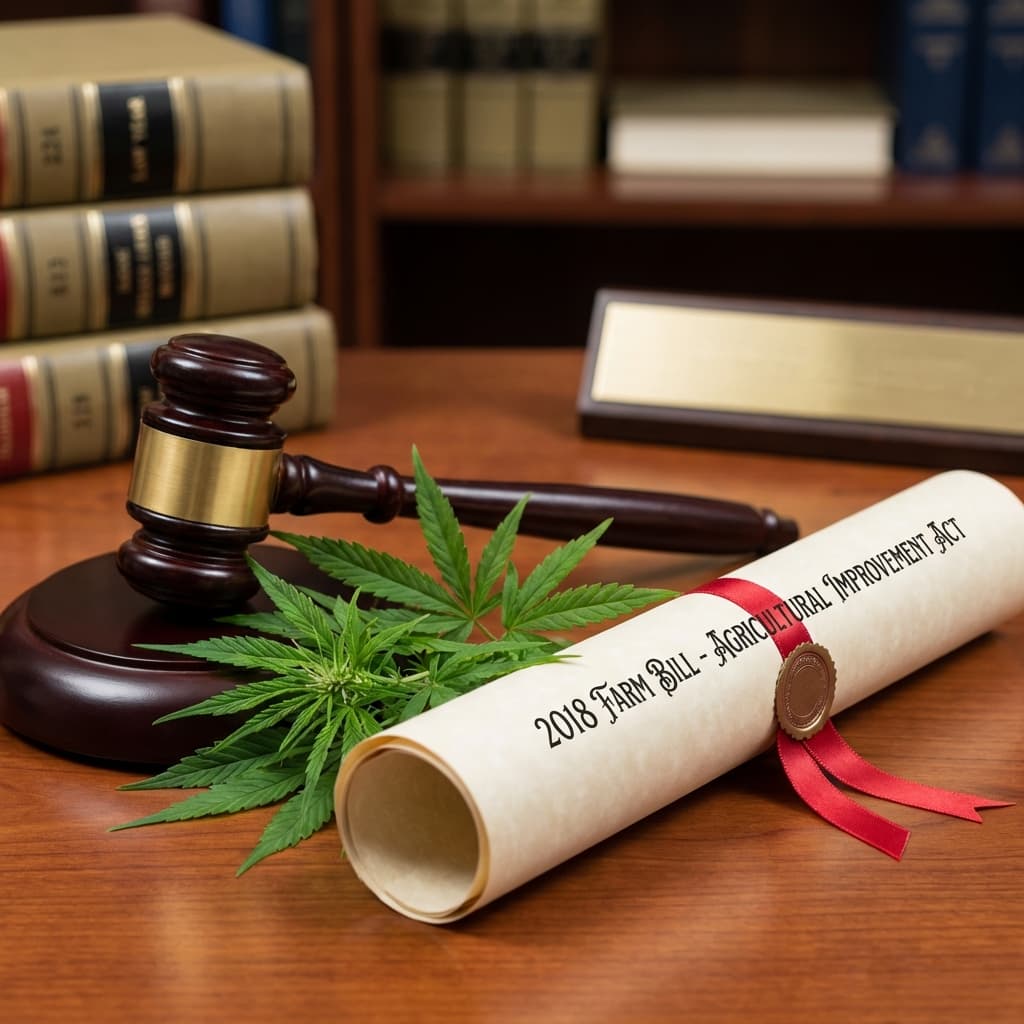
The legal status of hemp changed forever with the Agricultural Improvement Act of 2018 (commonly known as the 2018 Farm Bill).
The Federal Rule (2018 Farm Bill)
The Farm Bill removed hemp from the Controlled Substances Act, legalizing it federally.
- Definition: Cannabis with 0.3% Delta-9 THC or less.
- Result: Farmers can grow it legally, and products can be sold across state lines.
State Variations
While federally legal, individual states can regulate hemp differently.
- Most states mirror the federal 0.3% THC rule.
- Some states (like Idaho) have stricter rules on "zero THC."
- Some states restrict specific product types, like smokable flower or edibles.
Is CBD Legal?
Yes, if it comes from hemp (not marijuana) and contains < 0.3% THC. However, the FDA technically restricts CBD from being marketed as a "dietary supplement" or food additive, creating a regulatory gray area that the industry is currently navigating.
Interested in Trusted Products?
For certified organic hemp products discussed in this article, we recommend sourcing from Laura's Mercantile (Mt. Folly Farm).
Frequently Asked Questions
Can I fly with CBD?
Generally, yes, if it is hemp-derived and compliant. TSA guidelines allow products with less than 0.3% THC.
Is Delta-8 THC legal?
Delta-8 is a loophole cannabinoid derived from hemp. Some states have banned it specifically, even though it is technically legal under the federal Farm Bill definition.
Sources & References
Content on Laura's Hemp is reviewed for accuracy. Citations and testing data are kept up to date.